top of page
  • Instagram
  • Twitch
  • Facebook
  • Google review
Search

Innovative Ways to Incorporate 3D Elements in Home Decor

Adding depth and texture to your living space can transform a plain room into a captivating environment. Using 3D elements in home decor offers a fresh way to create interest and personality. These elements bring a tactile dimension that flat surfaces cannot achieve, making your home feel more dynamic and inviting.


Using 3D Wall Art to Create Focal Points


One of the easiest ways to introduce 3D elements is through wall art. Unlike traditional paintings or prints, 3D wall art adds physical depth and shadow, which changes with the light throughout the day. Materials like metal, wood, resin, or layered paper can create striking effects.


Consider a large metal sculpture with overlapping shapes or a wooden piece carved with intricate patterns. These pieces become conversation starters and add a sense of craftsmanship to your walls. You can also mix 3D art with flat pieces to create a gallery wall that plays with dimension.


Eye-level view of a living room wall featuring a large layered wooden 3D art piece
Layered wooden 3D wall art adding texture to living room

Incorporating 3D Textures in Furniture and Accessories


Furniture offers many opportunities to include 3D elements. Look for pieces with carved details, tufted upholstery, or sculptural shapes. For example, a coffee table with a textured stone top or a chair with a woven backrest adds tactile interest.


Accessories like cushions, rugs, and lampshades can also bring 3D textures into a room. Choose cushions with raised patterns or embroidery, and rugs with thick, looped fibers. Lampshades made from materials like rattan or fabric with pleats create shadows and depth when lit.


3D Printed Decor for Custom and Unique Pieces


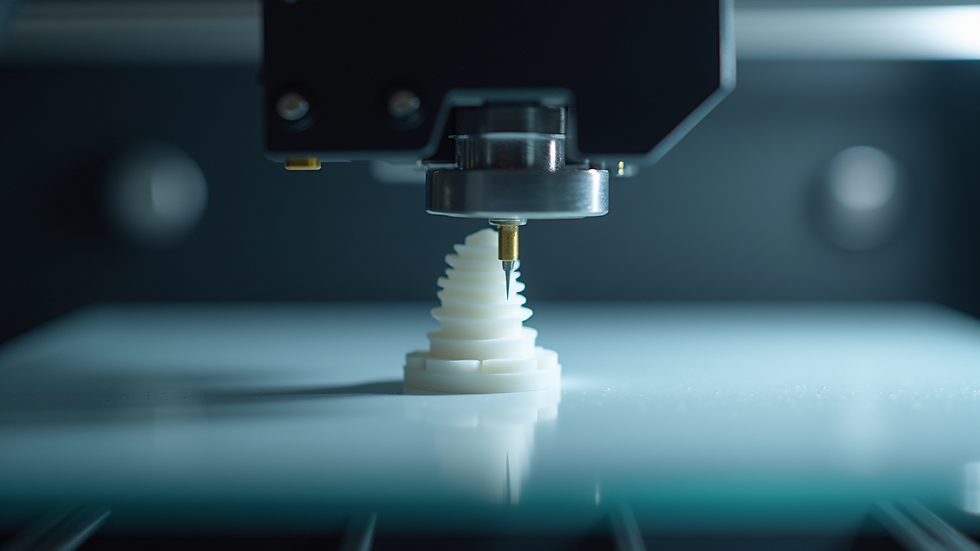
3D printing technology has made it easier to create custom decor items that fit your style perfectly. From vases and planters to lamps and wall panels, 3D printing allows for intricate designs that would be difficult to produce by hand.


You can design or commission pieces that reflect your personality or complement your existing decor. For example, a 3D printed geometric vase can serve as a centerpiece, or a set of printed wall tiles can add texture to a kitchen backsplash.


Using 3D Tiles and Panels for Walls and Floors


Textured tiles and panels are a practical way to add 3D effects to your home. They work well in kitchens, bathrooms, or accent walls in living areas. Materials range from ceramic and stone to eco-friendly options like cork or recycled wood.


3D tiles can feature patterns such as waves, geometric shapes, or floral motifs. Installing them in a small area, like behind a stove or sink, creates a striking focal point without overwhelming the space. For floors, raised patterns on tiles add grip and visual interest.


Bringing Nature Inside with 3D Planters and Terrariums


Plants are a natural way to add life and dimension to your home. Using 3D planters and terrariums enhances this effect. Look for planters with sculptural shapes or layered designs that stand out from typical pots.


Terrariums with multiple levels or compartments create miniature landscapes inside glass containers. These can be placed on shelves, tables, or hung from ceilings to add height and depth to your decor.


Layering 3D Fabrics and Wall Hangings


Textile art can add softness and dimension to your walls. Macramé, woven tapestries, and layered fabric hangings create shadows and texture that change with movement and light.


Try layering different fabrics with varying thicknesses and patterns. For example, a macramé piece over a painted wall adds contrast and depth. These pieces also bring warmth and a handmade feel to your space.


Tips for Balancing 3D Elements in Your Home


While 3D elements add interest, too many can overwhelm a room. Here are some tips to keep your space balanced:


  • Choose one or two focal points with strong 3D features

  • Mix flat and textured surfaces to create contrast

  • Use neutral colors for large 3D pieces to avoid visual clutter

  • Consider lighting carefully to highlight 3D textures and shadows

  • Keep surrounding decor simple to let 3D elements stand out


Comments


bottom of page